Pages

Showing posts with label stem cells. Show all posts

Monday, 16 January 2012

Commercializing science

Stem-cell research: Never say die

Robert Lanza has been a public face for Advanced Cell Technology’s many ups and downs.
Sam Ogden
“Oh crap, this really puts us in the spotlight!” thought Robert Lanza when he first heard the news. Advanced Cell Technology (ACT), the biotechnology company in Marlborough, Massachusetts, of which Lanza is chief scientific officer, had for more than a year been operating in the shadow of Geron, a rival company in Menlo Park, California. Geron was bigger and better funded than ACT, and it was the first company to be approved by the US Food and Drug Administration (FDA) to test a therapy in humans based on embryonic stem (ES) cells. ACT was second. But in November, Geron announced that it was halting its trial to focus instead on cancer drugs. And with the announcement, Lanza says, he felt the weight of the ES-cell field fall on his shoulders.

Lanza and his company have had plenty of experience in the spotlight, but the attention has not always been flattering. Since the late 1990s, ACT has gained a reputation as a renegade company, accused of overhyping results to raise attention and money. Critics say that the company has damaged the field more than once with its high-profile, controversial announcements, such as one describing the company's attempts to clone a human embryo1 in 2001. ACT's actions — and the highly politicized nature of stem-cell research — scared off investors, leaving the company teetering on the verge of bankruptcy for most of the past decade.
But the scrappy biotech refused to die, in part because of Lanza's doggedness. ACT is now performing early-phase clinical trials testing the safety of implanting retinal cells derived from human ES cells into the eye to treat certain types of blindness.
Lanza says that this time, he aims to do things right: direct good science focused on treating disease, publish in reputable journals with rigorous peer-review processes and work with high-quality collaborators and clinical centres for its trials. “We're a different company now,” says Lanza.
Not everyone is convinced. Even if positive results emerge from these trials, ACT will still face major challenges in getting an ES-cell-based therapy approved for wider use. And some in the field are sceptical about ACT's reformation. “Can you really trust a company that has a spotty record?” says Arthur Caplan, a bioethicist at the University of Pennsylvania in Philadelphia.
It's not just Lanza who has a stake in the answer. With Geron out of the game, ACT's success or failure will be important for a field looking to prove itself worthy of further research funding. “If the trials are positive, that would fundamentally transform the debate,” says Christopher Thomas Scott, director of the Program on Stem Cells and Society at Stanford University in California.

Problem child

ACT began in the mid-1990s as an animal-cloning outfit owned by Avian Farms, a Maine-based poultry genetics company. ACT quickly shifted focus when Michael West — who founded Geron — became its chief executive in 1998. Human ES cells had just been isolated for the first time, and researchers were excited about their potential use in regenerative medicine.
But many were concerned that patients' immune systems would reject cells derived from unrelated embryos. To solve this, West proposed 'therapeutic cloning' — taking the nucleus out of a patient's cell, transferring it into an egg cell to create a cloned embryo, then using that embryo to derive patient-matched stem-cell lines.
In 1999, using money he had made at Geron, West bought ACT. Lanza, a physician who had spent the past 20 years working in academic research and biotech on organ and cell transplantation, was one of West's first recruits. The team moved quickly to try to make therapeutic cloning a reality.
If the American public had not yet heard of human cloning or ACT by the fall of 2001, it could hardly have missed the hype that began on 25 November that year. West appeared on Meet the Press, a nationally televised US political talk show, to discuss a paper, published that day, in which ACT scientists described the first cloning of a human embryo. “We've taken the first halting steps toward what we think is going to be a new area of medicine,” West said.
West appeared on several other news shows in the following days. CNN and US News and World Report heralded the work as a breakthrough, and West and his team hailed the “dawn of a new age in medicine” in a report for Scientific American (now owned by Nature Publishing Group).
In the paper1, published in the now-defunct online journal e-biomed, West, Lanza and their colleagues showed that they could pull a nucleus from a human egg cell, replace it with a whole adult ovarian cell and generate an embryo that divided into six cells. It then stopped growing, far short of the 100-cell blastocyst stage from which stem cells can be derived.
The work pressed a political hot button. That summer, President George W. Bush had approved federal funding for human ES-cell research, but only for a small number of cell lines that had already been created. He also voiced staunch opposition to human cloning of any kind, and a bill to ban it had been advancing through the US Congress, much to the chagrin of researchers who saw promise in therapeutic cloning.
ACT's announcement stoked fears that scientists were trying to clone humans for reproductive purposes — and conflated reproductive cloning and human-embryonic-stem-cell research in many people's minds. “It gave critics plenty of ammunition to insist that if stem-cell research was funded, human reproductive cloning would be funded too,” says Caplan. “It had a huge deleterious impact for years.”
Scientists, meanwhile, dismissed the finding. The ACT team hadn't gained new insight into the human developmental process, says George Daley, a stem-cell researcher at Children's Hospital Boston in Massachusetts. “I was not in a position to defend the cloning that they were doing because it was ineffective in what they were trying to do,” he says. “It was more for publicity than for science.”
Jose Cibelli, who was first author on the paper and left ACT in 2002 for a faculty position at Michigan State University in East Lansing, says that in an ideal world he would have waited until the team could grow the embryos to the blastocyst stage before publishing the work. But he had heard rumours that other groups were pursuing the same goal, and he was worried about getting scooped. (A successful derivation of stem cells from a cloned human embryo was not reported until October 2011, and these stem cells had three sets of chromosomes rather than two2.)
West says that he pushed ahead with publication in the interest of transparency. “It was our policy not to hide what we were doing and why,” he says. “We wanted to be honest, accurate and open.”
The announcement ended up hurting the company, however. ACT was trying to raise a needed round of venture-capital financing when the cloning news broke. The negative attention combined with the political uncertainty around stem-cell funding killed the deal, says Greg Bonfiglio, who was with Anthem Venture Partners of Santa Monica, California, at the time, and would have been the lead investor on that round.

Scraping by

The disappearance of the venture funding sent ACT on a financial downward slide from which it would take nearly ten years to recover, says Bonfiglio, who has dealt with the company on several more occasions. Researchers at Geron, meanwhile, had successfully derived neurons from human embryonic stem cells3 and were pursuing research that would eventually look to repair the damage caused by spinal-cord injuries, a possible use for embryonic stem cells that was much touted at the time. ACT was largely dismissed as a sideshow.
Lanza is now the longest-serving employee of the company. He says that a “tough childhood” in Stoughton, a town south of Boston, Massachusetts, helped him to develop a thick skin.
Unlike many Boston-area academics, Lanza has the 'R'-dropping accent of the region, most noticeable when he talks about one of his main preoccupations: Stargardt's disease. “Stahgahdt's” — as he says it — is one of the two types of degenerative blindness his company is targeting in its clinical trials. The other, the 'dry' form of age-related macular degeneration, is the most common cause of age-related blindness. Both diseases result from the death of retinal cells, a process that Lanza suspects can be slowed or even halted using stem-cell-derived replacements.
“It was our policy not to hide what we were doing and why. We wanted to be honest, accurate and open.”
After the venture funding fell through, West sold ACT's animal-cloning division to generate revenue. By 2004, however, money had again started to run low. But Lanza and West had recently hired Irina Klimanskaya, who, as a researcher at Harvard University in Cambridge, Massachusetts, had helped to derive many of the institution's first human ES-cell lines and who had a knack for working with scant resources. At ACT, she began optimizing a protocol for transforming ES cells (derived from embryos donated through fertility clinics) into retinal pigmented epithelial (RPE) cells. These are lost in both Stargardt's and dry age-related macular degeneration4.
Stopping vision loss didn't quite have the dramatic appeal of Geron's goal of reversing paralysis. But focusing on the eye may have been a wise decision, say experts.
“The eye is an ideal place to begin this type of experimental work,” says Michael Young, an ophthalmology researcher at the Schepens Eye Research Institute in Boston. Surgeons already have protocols for injecting cells directly into the eye, and they can measure changes in the retina just by peering into it. The eye is relatively sealed off from the immune system compared with other parts of the body, which may reduce the risk of cell rejection.
Moreover, transplanted RPEs do not need to form synapses, or connections, with neurons, unlike other retinal cell types. “If cell-based therapy in the eye is going work, it's got to work with the RPEs,” says Thomas Reh, a neurobiologist at the University of Washington in Seattle.
By 2004, Lanza and his team were ready to start testing the RPE cells in animals — but they were paralysed by a lack of money. The cells sat in a freezer for almost a year. Meanwhile, the company's phone service was turned off, purchases of basic lab supplies grew harder to justify and the skeleton crew of remaining scientists wondered week to week whether they would get paid.
Some left, but Klimanskaya opted to stay on. “I believe in the company, in the cells, in the technology and in my own skills,” she says. “Why should I quit?”
Out of desperation, West agreed at the end of 2004 to take the company public to gain access to a new source of funding. But the legal, accounting and marketing costs of going public through an initial public offering (IPO) were far beyond the company's reach. Instead, in early 2005, ACT merged with Two Moons Kachinas, an obscure, Utah-based outfit that sold Native American dolls. Two Moons was essentially a 'shell' company, allowing ACT to take it over and become a publicly traded firm. This 'reverse merger' was much cheaper than an IPO, but the US$8 million it raised had more strings attached.
As part of the deal, investors required the company to name a new chief executive. “The issue with ACT at that time was never about the quality of the science team,” says Bonfiglio, who led the deal. “The business skills were not resident on that team.” The new chief executive, William Caldwell, had more than 30 years of experience in banking, transportation and telecommunications, but none in biotech.

Out of the ashes

With the infusion of cash, ACT went on a hiring spree. West, who became the company's president and chief scientific officer, moved to California and recruited several researchers in hope of starting a lab that could tap into funding from the San Francisco-based California Institute for Regenerative Medicine (CIRM), a $3-billion, state-backed fund for stem-cell research.
Meanwhile, Lanza built up his team in Massachusetts and forged ahead with the RPE transplantation studies in rats. In 2006, positive results began to materialize5 and ACT opened its new headquarters, a 1,400-square-metre research facility in Alameda, California, which included a lab capable of growing cells according to the strict standards required for human trials.
Just as optimism was running high, the company made another very public stumble. In August 2006, Lanza and his co-authors published a paper6 in Nature showing that a single cell could be plucked from an 8–10-cell human embryo and grown into stem cells. Lanza wanted to show that it was possible to derive stem cells without destroying the embryo, to sidestep ethical concerns.
In fact, the embryos were destroyed in the experiments, but that had not been made clear in the original version of the paper, the press releases about it or in some of Lanza's press interviews. Nature issued two clarifications after its original press release, but many news organizations had already reported that the embryos were unharmed. When the truth became clear, critics pounced.
Opponents of ES-cell research saw the debacle as an attempt to mislead the public, and scientists criticized the method as impractical and still ethically problematic. Biopsying embryos puts them at risk, says Daley, so some will be lost.
Lanza says that the Nature paper was only meant to be a proof of principle and that the company soon perfected the technique so that embryos survived. But the episode reinforced perceptions that the company hyped its results, this time to boost its stock value. If that was the intent, the effect was short-lived. The increase in share price on the day of the announcement — from $0.42 to $1.83 — would be reversed in the weeks and months that followed.
Unable to raise enough money from conventional sources, Caldwell turned to last-resort financing. ACT borrowed cash from investors and then repaid them in shares on a monthly basis, using the lowest share price of the previous month. As that price dropped, ACT had to issue more and more shares, forcing the price down even further. Caldwell completed several rounds of this 'death-spiral financing' between 2005 and 2010 to keep Lanza's RPE research going, and the company sank further into debt.
By 2007, West says, he was not getting along with Caldwell and left ACT to head another company to develop products for ES-cell research. In 2008, ACT closed its Alameda facility — the CIRM funding never materialized — but Caldwell stayed in Los Angeles. By the time the markets crashed later that year, ACT's stock price had dwindled to pennies. Caldwell lost all of his executives, and the entire RPE development team left.
Still, Lanza was convinced that RPE therapy held the key to the company's survival. He was, moreover, impressed with Caldwell's dedication to the project. “He got all excited [about the science], and that was important,” Lanza says. “He was really my partner.” The two worked tirelessly throughout 2009 to rebuild the company. Caldwell eked out funding so that Lanza and his team could do the studies needed for FDA approval of the clinical trials. “We knew we had one chance,” says Lanza.
In November 2010, when a fax arrived saying that the trial had been approved, a cheer went through the office. “We came out of the ashes,” says Lanza. “It was a long time coming.”
There was little time for celebration, however. The team still needed approval from the clinical centres conducting the trials before they could start treating patients.
Lanza usually began each morning by answering a slew of e-mails from Caldwell, who often worked later hours in Los Angeles. So he was concerned when, on the morning of 14 December, his inbox was empty. The call came later that afternoon from Caldwell's wife. The man who had kept ACT afloat for the past six years had died unexpectedly, aged 63. Describing the loss now, Lanza becomes quite emotional and almost can't continue. “It was like I lost a father,” he says.
The company faced yet another bleak period. But Gary Rabin, an investment banker who had been on ACT's board since 2007, stepped in as interim leader. Within two weeks, he had secured $25 million in financing from two firms that Caldwell had been courting. Rabin, who is now ACT's chairman and chief executive, says that the funding is enough to pay for the company's two ongoing trials and should last through 2012.

The challenges ahead

Now, the company's future hinges on the outcome of the trials. Final results won't be out until 2013, and they will show mainly whether the cell transplants are safe. The patients enrolled in the trial are in the late stages of vision loss, so the chances of dramatic improvement are remote, experts say.
Still, Rabin and Lanza are optimistic. If the treatment is safe and even moderately effective, they say they would consider partnering with a pharmaceutical company to help take the programme forward — although they are still working out their plan. Scott, with Stanford's Program on Stem Cells and Society, says that positive results could fire up patient advocacy groups, which can be powerful in building support. And a good outcome could encourage investment in other stem-cell therapy companies, says Bonfiglio, who is now managing partner at Proteus Venture Partners in Palo Alto, California.
But even if the trial results are positive, ACT will face enormous challenges in commercializing the technology. The company will have to show the FDA that its RPE cells can slow vision loss in bigger and more expensive clinical trials.
And even if the treatment works, storing and distributing the cells, which often have short shelf-lives, is expensive and logistically difficult, says Chris Mason, head of the Stem Cell and Regenerative Medicine Bioprocess Group at University College London.
These challenges were thrown into stark relief when Geron halted its stem-cell trial in November, having decided that the hurdles to commercializing the therapy were too great. Now, it is up to ACT to face them. “The departure of Geron from the field will ultimately place a greater burden on ACT in terms of educating the FDA and establishing standards for safety and efficacy,” Bonfiglio says.
ACT is not entirely alone: other stem-cell-based therapies are moving towards the clinic. For example, a consortium of research groups called the London Project to Cure Blindness aims to test RPE transplants from embryonic stem cells in patients with macular degeneration this year. A group in Japan hopes to test a similar approach in humans using stem cells from reprogrammed adult cells within the next three years.
Still, some who have tracked ACT's trajectory say that the company might have what it takes to succeed. “What has kept ACT going is persistence, tenacity and vision,” says Ronald Green, ACT's long-time ethics adviser and a professor of religion and ethics at Dartmouth College in Hanover, New Hampshire.
Lanza says that at times he considered giving up and working on something less controversial. “If I wasn't a stubborn Italian,” he says, “I would have thrown up my hands at least 25 times.”

Nature Volume: 481,Pages: 130–133

Tuesday, 18 October 2011

The HWANG strikes back!

From The Telegraph:

Hwang Woo-suk, who was stripped of his stem cell research license in 2006 over ethical issues now claims to have successfully cloned eight coyotes using techniques he developed in the first cloning of a dog in 2005.
"We injected a coyote's somatic cell into a dog's egg and produced a cloned embryo. The pups were born 60 days after we transplanted the embryo into the dog's uterus," he said.
Convicted of fraud and embezzling state funds in 2009, Hwang's disgrace set back South Korea's stem cell research by years after two journal papers hailed as landmark studies were found to have based on fabricated data.
Hwang, who has always denied any wrongdoing said he hoped to apply his procedure to bring back extinct animals in future.
"After six years of innovation, the success rate is now at 50 percent. We want to apply the cloning skills we acquired from working with dogs, to animals that are in danger of extinction," he said.

http://www.telegraph.co.uk/science/8831510/Disgraced-scientist-claims-coyote-cloning.html

Monday, 5 September 2011

Endurance exercise encourages stem cells to make bone instead of fat

Mesenchymal stem cells are a type of adult stem cells found throughout the body. These cells can form fat, bone or cartilage cells. 

Researchers in Canada found that endurance exercise encourages mesenchymal stem cells to become bone instead of fat cells. 

In this study, one group of mice were trained on a treadmill at progressive speeds over a 10-week period. While the other group was made to simply watch life go by. Tissues were harvested 2 days following the final training session.

Results of this study show that: 

This could be true in humans too... so.. HIT THE GYM PEOPLE!

Source: http://www.chumpysclipart.com

Thursday, 1 September 2011

UK stem cell stroke trial passes first safety test

Article from BBC news:


The world's first clinical trial of brain stem cells to treat strokes is set to move to its next phase.
An independent assessment of the first three patients to have had stem cells injected into their brain at Glasgow's Southern General Hospital has concluded it has had no adverse effect.
The assessment paves the way for the therapy to be tested on more patients to find a new treatment for stroke.

The hope is that the stem cells will help to repair damaged brain tissue.
The trial is being led by Prof Keith Muir of Glasgow University. He told BBC News that he was pleased with the results so far.

"We need to be assured of safety before we can progress to trying to test the effects of this therapy. Because this is the first time this type of cell therapy has been used in humans, it's vitally important that we determine that it's safe to proceed - so at the present time we have the clearance to proceed to the next higher dose of cells."

An elderly man was the first person in the world to receive this treatment last year. Since then it has been tried out on two more patients.

Global trials
The patients have received very low doses of stem cells in trials designed to test the safety of the procedure.

Over the next year, up to nine more patients will be given progressively higher doses - again primarily to assess safety - but doctors will also be using this clinical trial to assess the best ways of measuring the effectiveness of the treatment in subsequent larger trials, which would not begin for at least 18 months.
There are a growing number of well-regulated clinical trials of stem cell treatments now under way in various parts of the world, including one which also began last year by the US firm Geron to develop a treatment for paralysis.
The development of stem cell treatments is still at an early stage and it is likely to be many years before these treatments become widely available.

Strokes kill about 67,000 people in the UK every year, according to the Stroke Association.
The charity says it is the third most common cause of death in England and Wales after heart disease and cancer.

The stroke trial is being carried out with Reneuron Group plc. The company's chief executive officer Michael Hunt said there was a long way to go.
"The earliest a treatment could be widely available if everything goes very well is five years. It is very much a case of so far, so good. It is still at a very early stage but we draw great comfort from these results."

Sunday, 21 August 2011

very long but MUST READ entry

A news article from Boston.com

NEW YORK - He calls it innovative. Others call it a big risk. In any case, the stem cell procedure that Governor Rick Perry of Texas had last month was an unapproved experimental way of fixing a common malady: a bad back. 


Perry, the newest GOP presidential candidate, has access to the best possible care. Yet he and his doctor chose a treatment beyond mainstream medicine: He had stem cells taken from fat in his own body, grown in a lab, and then injected into his back and his bloodstream during a July 1 operation to fuse part of his spine.

The treatment carries potential risks ranging from blood clots to cancer and may run afoul of federal rules, doctors say. At least one patient died of a clot hours after an infusion of fat-derived stem cells outside the United States. It is not clear how much of this Perry might have known.
Gov Rick Perry
His doctor and friend, orthopedist Stanley Jones, could not be reached for comment despite repeated requests to the spokeswoman for his Houston-area hospital. Jones told the Texas Tribune that he went to Japan for a stem cell treatment that helped his arthritis and that he had never before tried the procedure he used on Perry. He also said it had no risks.

Dr Stanley Jones

However, some scientists are questioning the safety and wisdom of Perry’s treatment, especially because it was not part of a clinical trial in which unproven therapies are tested in a way that helps protect patients and advances medical knowledge.

Perry “exercised poor judgment’’ to try it, said Dr. George Q. Daley of Children’s Hospital Boston and the Harvard Stem Cell Institute. “As a highly influential person of power, Perry’s actions have the unfortunate potential to push desperate patients into the clinics of quacks’’ who are selling unproven treatments “for everything from Alzheimer’s to autism.’’

Daley is past president of the International Society for Stem Cell Research, a group of 3,000 scientists and others in the field. He favors stem cell research. But of Perry’s treatment he said: “I would never in a million years accept for one of my family members to undergo this.’’

Dr George Daley

On the campaign trail Thursday in New Hampshire, Ray Sullivan, Perry’s chief of staff, said: “The governor consulted with his physician and decided the best course of action for him. He’s very pleased with the results of the surgery, with the rapid recovery, and with the procedure that he had.’’

Perry’s treatment was first reported by the Texas Tribune. The procedure was done by Jones, who works at Foundation Surgical Hospital, but Perry spokesman Mark Miner would not say where it took place.

It used Perry’s own “adult’’ stem cells - not embryonic stem cells, a controversial technology that involves destroying an embryo, which the governor opposes. Adult stem cells have long been used to treat cancers such as leukemia and lymphoma - they are what doctors use it bone marrow transplants. The cells are being studied for everything from heart disease to diabetes, but it is too soon to know if these approaches are safe or effective.
Some orthopedic surgeons are experimenting with stem cells to help bones heal. The cells usually are taken from bone marrow and injected or implanted in the trouble spot, such as a knee or shoulder. The theory is that these “master cells’’ will follow cues from cells around them and form bone or cartilage, though scientists worry they also might spur unwanted growth and cancer.

Perry, however, had an even more experimental procedure: stem cells from fat removed by liposuction and grown in a lab before they were put into his spine and bloodstream.

Dr. George Muschler, an orthopedic surgeon at Cleveland Clinic, said fat-derived stem cells are “an unusual choice’’ because they do not form bone as readily.

Using them as was done for Perry is “quite experimental and it’s quite controversial because there isn’t good evidence yet, at least in the medical literature, that fat cells work better or even work at all in repairing bones,’’ said Muschler, who has developed three patents on cell-related technologies.
Dr. Thomas Einhorn, orthopedics chairman at Boston University, has tested experimental stem cell therapies. He said one concern is that Perry’s cells were grown in a lab dish with other ingredients, where there is more of a risk they will transform into cancer and any breach in sterility could lead to an infection.
He also took issue with infusing the cells into Perry’s bloodstream. “I can’t think of any reason to do that. I wouldn’t want to cause a blood clot.’’
It also enters a gray area with the FDA, which does not regulate how doctors practice medicine but does oversee medical products. Growing the cells in culture and possibly mixing them with other substances may make these modified cells a product. FDA spokeswoman Shelly Burgess said the agency could not comment on Perry’s treatment.

Oh dear. This sounds like suicide to me. Or a conspiracy theory to thwart the public's trust in stem cell research. Or, just PLAIN STUPIDITY.

Sunday, 14 August 2011

We heart stem cells


 Recently, an article entitled "A*Star scientists closer to growing human heart from stem cells" was published in the Straits Times.

In this paper, researchers from the Institute of Bioengineering and Nanotechnology  
1) Decellularized mouse heart: i.e. removed the cells from the mouse heart, leaving only the scaffold
2) Seeded the scaffold with human embryonic stem cells (hESCs) and heart progenitors derived from hESC
3) Implanted the heart back into the mouse

They found that the cells attached to the scaffold and developed into heart cells and blood vessel cells, both important for proper functioning of the heart.


However, this discovery is not entirely novel. In 2008, researchers from University of Minnesota already showed that the scaffold from decellularized heart supports development of heart progenitors into an adult heart.


Read the news release here

Novel or not, both studies deserve the spotlight as they remind us that building an organ with stem cells may not be that far-fetched an idea after all.

Satirical cartoon of China harvesting organs from Falun Gong prisoners. Source: http://nicholsoncartoons.com.au/falun-gong-organ-harvesting-china-550.html


Monday, 1 August 2011

It's real

When people ask me what I do, I often say, "I work on embryonic stem cells and I make them into various cell types of the body." 

Sometimes people look at me in disbelief. Sometimes people cringe or grimace. Well, it's not that scary actually. 

 
Embryonic stem cells made into neural cells (they look long and stringy). I stained with antibodies that make neural cells fluoresce red under the microscope.  

 
Beating heart cells made from embryonic stem cells.

Embryonic stem cells made into retinal pigmented epithelial (RPE) cells. RPE is a layer of pigmented cells found behind the retina. It plays very important role in the eye. It absorbs excess light, nourishes the retina etc.

These are just some of the many different cell types that have been made from embryonic stem cells!

Friday, 29 July 2011

Major International Stem Cell Trials For Multiple Sclerosis Get Funding

Great news!


UK scientists getting ready to work on major international trials on the safety and effectiveness of stem cells in treating brain and spinal cord damage in people with multiple scleroris (MS) received £1 million from the MS Society and the UK Stem Cell Foundation.

Read the news report here. 

Tuesday, 19 July 2011

Disease in a plate

All thanks to Dr Shinya Yamanaka, we are now able to make patient-specific induced pluripotent stem cells (iPSCs). If you are a stem cell virgin, please refer to my FAQs about stem cells page. 
Diagram from http://www.rndsystems.com.

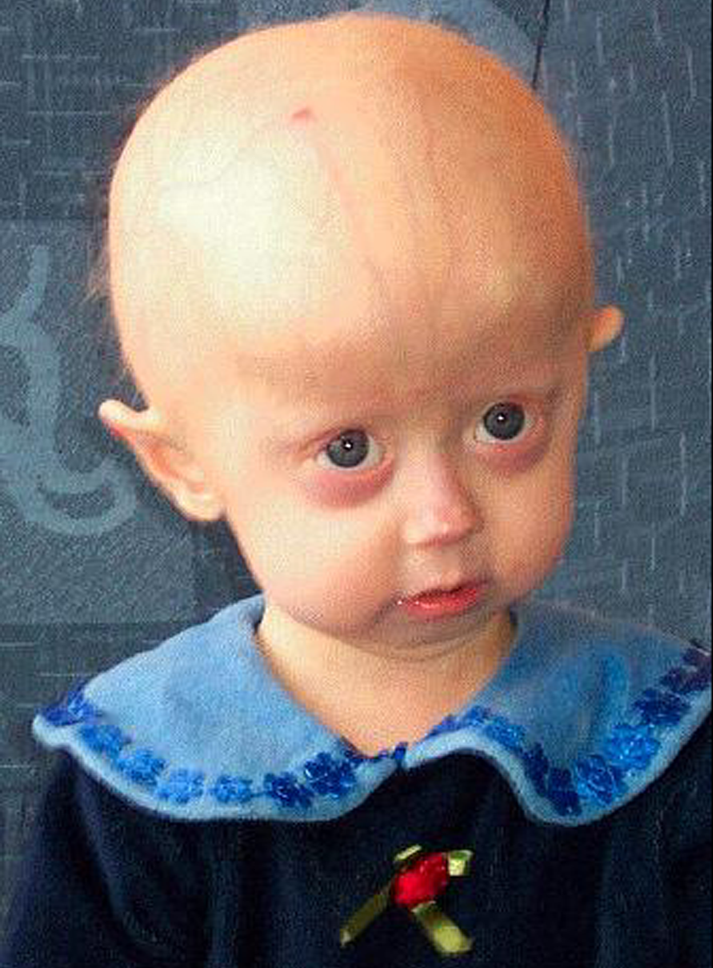
For example, let’s look at a rare congenital disease, Hutchinson Gilford Progeria syndrome. Progeria syndrome causes premature ageing in children.

Progeria patient. Image from http://en.wikipedia.org/wiki/Progeria
The wrinkled facial features, wasted bodies, loss of hair, and stunted growth make this heart-wrenching disease familiar to the general masses.


Movies such as “Curious Case of Benjamin Button” and “Jack” were said to have been inspired by this disease. Progeria patients generally die in their early teens due to heart attack or stroke.


There is currently no treatment for Progeria syndrome.


In the above study, patient's skin cells were reprogrammed into iPSCs. These Progeria iPSCs were made into different cell types of the body to study how the disease emerges.


By making a "Progeria-patient-on-a-plate", they discovered which cell types were afflicted in these patients, and how. Such studies could be further used to test for drugs that treat these cell types!


Here's a cartoon to summarize the work flow for using stem cells for disease modeling.
Diagram modified from Colman and Dreesen Cell Stem Cell 2009

Friday, 15 July 2011

Tuesday, 26 April 2011

FAQs about STEM CELLS

FAQs about STEM CELLS

What are embryonic stem cells?
Embryonic stem cells (ESCs) are cells derived from embryos at the blastocyst stage. This stage is around 5 days after the sperm fertilizes the egg. The blastocyst consists of a ball of cells made up of two cell types:
  • the inside cells called inner cell mass. These cells develop into all the cells of the embryo)
  • the outside cells called trophoblast, a layer of cells surrounding the inner cell mass. These cells are in contact with cells from the mother's womb and form the placenta.

Stem cells are distinguished from other cell types by two important characteristics. First, they are can self-renew indefinitely. Second, they are pluripotent. This means that under certain physiologic or experimental conditions, they can be induced to become tissue- or organ-specific cells of the entire body.


What are adult stem cells?
Adult stem cells are cells found in many organs and tissues such as the skin, intestines and bone marrow. Stem cells in these organs regularly divide to repair and replace worn out or damaged cells. When a stem cell divides, each new cell has the potential either to remain a stem cell or become a more specialized cell of that organ.


Why do I care about stem cells?
Studying stem cells will help us understand how they transform into the specialized cells of the different organs. Some of the most serious medical conditions, such as degenerative diseases and birth defects, are due to either lack of stem cells, or the lack of stem cells to become the specialized cell of the organ. Understanding how embryonic stem cells develop into the different cell types of the body will provide insights on early human development, an area of study that has been limited due to difficulty in obtaining experimental material and the ethical concerns involving human embryo research. Understanding stem cell biology will also allow us to correct medical conditions due to stem cell defects.

Moreover, hESCs could also be used to test new drugs. For example, new medications could be tested for safety on differentiated cells generated from hESCs. Other kinds of cell lines are already used in this way. Cancer cell lines, for example, are used to screen potential anti-tumor drugs. The availability of hESCs would allow drug testing in a wider range of cell types.

Most importantly, stem cells can be used to generate cells and tissues that could be used for cell-based therapies. Today, donated organs and tissues are often used to replace those that are diseased or destroyed. Unfortunately, the number of people needing transplant far exceeds the number of organs available for transplantation. Stem cells could be made into specialized cells to treat diseases such as Parkinson's disease, amyotrophic lateral sclerosis, spinal cord injury, burns, heart disease, diabetes, and arthritis.


Have human embryonic stem cells successfully treated any human diseases? 

There are currently three clinical trials using cells derived from human embryonic stem cells:
  • Geron, a biotechnology company located in California, began enrolling patients in October 2010 for its clinical trial of a hESC-derived therapy. This trial has been designed to test the safety of using hESCs to achieve restoration of spinal cord function: oligodendrocyte progenitor cells derived from hESCs will be injected directly into the lesion site of the patient's injured spinal cord.
  • ACT, a biotechnology company based in Santa Monica, California, has been granted FDA permission to begin enrolling patients for Phase I (safety and tolerability) clinical trials of two hESC-derived stem cell products:
  1. The first ACT trial proposes to test the safety of hESC-derived retinal cells to treat patients with an eye disease called Stargardt's Macular Dystrophy (SMD). ACT issued a press release announcing this trial on November 22, 2010.
  2. The second ACT trial proposes to test the safety of hESC-derived retinal cells to treat patients with age-related macular degeneration. ACT issued a press release announcing this trial on January 3, 2011.
Should I store my child's umbilical cord blood? 
Umbilical cord blood is a source of hematopoietic stem cells. Hematopoietic stem cells can give rise to all the blood cell types. They can be used to treat blood cancers and other blood disorders.


What are induced-pluripotent stem cells? 

Induced pluripotent stem cells (iPSCs) are adult cells (e.g. skin cells or blood cells) that have been genetically altered to an embryonic stem cell–like state. Although these cells meet the defining criteria for ESCs, it is not known if iPSCs and ESCs differ in clinically significant ways. Mouse iPSCs were first reported in 2006, and human iPSCs were first reported in late 2007.

Nonetheless, iPSCs are already useful tools for drug development and modeling of diseases, and scientists hope to use them in transplantation medicine.
This breakthrough discovery is important because firstly, it has created a powerful way to "de-differentiate" cells (it is like making the cells go back in time).  Secondly, tissues made from iPSCs will be a nearly identical match to the cell donor and thus probably avoid rejection by the immune system.


I want to undergo stem cell therapy. What should I do? 
READ THISA Closer Look at Stem Cell Treatment by the ISSCR


Acknowledgements
Some information presented here are obtained from http://stemcells.nih.gov/info